
Home>Services>Sewer Line Repair & Replacement
Sewer line helpSewage backing up? Emergency sewer line repair from a plumber serving Avondale, AZ
Sewage is rising in the tub or the floor drain, and a bottle of drain cleaner will not fix it. Sewer line repair starts with finding where the main line is blocked or broken, then choosing between cleaning, a spot repair, lining or replacement. Call (623) 323-3182 and our dispatch line routes you to a plumber serving Avondale who can run a camera through the line and explain each option in plain words.
now
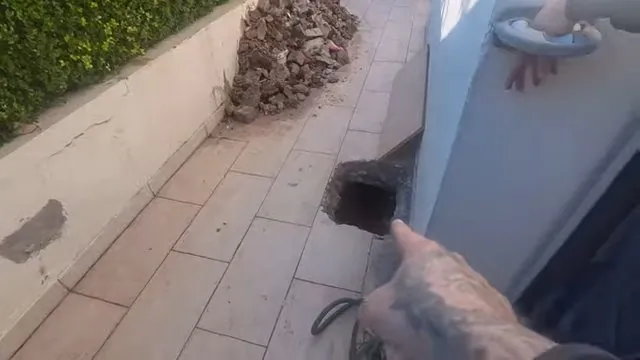
Most people assume a sewer backup means the pipe under the yard has collapsed and the whole lawn must be dug up. Usually it has not. Roots, grease and wipes block far more lines than a broken pipe does, and a blockage is often cleared in one visit without any digging at all.
The opposite mistake is just as common. Clearing a clog with a cable feels like a fix, but if the same line backs up every two or three years, the pipe itself may be cracked, sagging or invaded by roots. A camera run tells the two situations apart before anyone commits to a repair method.
The sections below follow the order of the choices you face: lining or trenchless work, cleaning, replacement, spot repair, the camera inspection, and who owns the failed section of pipe.
Avondale trenchless pipe lining and bursting: can the pipe stay in the ground?
Trenchless sewer repair fixes a pipe without opening a trench along its whole length. In lining, a resin soaked tube is pulled into the old pipe and cured until it hardens into a new pipe inside the old one. This method, often called CIPP, suits a pipe that is still in line but cracked, rough or open at the joints. Pipe bursting is the trenchless sewer line replacement option: a cone pulls new pipe along the old path while breaking the old pipe outward, and the crew needs only a small access pit at each end.
Neither method suits every pipe. A liner follows the shape it is given, so a pipe that has sagged, collapsed or shifted usually needs bursting or open digging instead. Before pipe relining repair work begins, the plumber should clear the line and run a camera, so the liner goes against clean pipe and any low spot that holds water is known in advance.
Ask which trenchless method the plumber is proposing and why the footage supports it. Trenchless versus open trench repair should be decided by what the camera shows, not by a sales preference. Call when the same line backs up again and again and the footage shows a crack or root entry at a joint.
| Method | Fits when the pipe is | What the plumber needs |
|---|---|---|
| Cable or hydro jetting | Blocked but structurally sound | A cleanout or other access point |
| Spot repair | Damaged in one short, located section | A locator mark and a small access hole |
| Lining (CIPP) | In line but cracked or rough along its length | A clean pipe and a camera record |
| Pipe bursting | Too damaged to line but still on its original path | Small pits at each end |
| Open trench replacement | Collapsed, offset or sagging | A full trench and a called in 811 request |
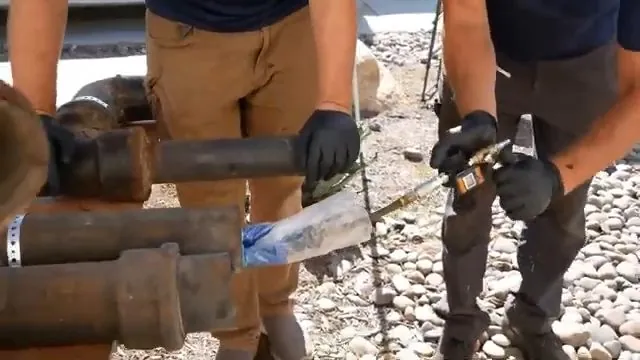
Clearing a main line that keeps clogging: jetting, cable or a camera first?
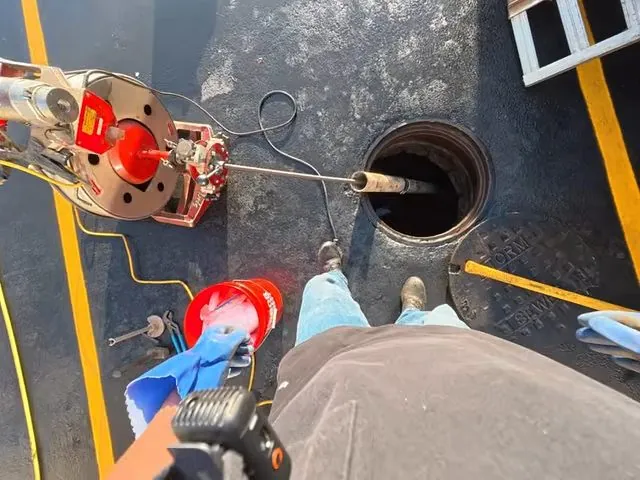
Cleaning is the first step when water backs up through the lowest drain in the house. A plumber uses a cable with a cutting head for soft blockages and roots, or hydro jetting, which sends high pressure water through the line to scrub grease and scale off the pipe walls. A cable opens a channel through the blockage, while jetting cleans the whole wall. Jetting a pipe that is already cracked can widen the damage, so a quick camera look first is sensible.
If main sewer line cleaning is needed every two or three years, treat the clog as a symptom. Roots return to the same joint until that joint is repaired. Ask whether the plumber will run a camera after the cleaning, and whether the roots point to a spot repair. Sewer and drain cleaning for a single sink is a different job; see drain cleaning and clogs for that.
If you manage the property and tenants report a clogged main, the same steps apply: clear the line, camera it, then decide. Find the cleanout, a capped access pipe on the line that is usually outside near the house, but leave the cap for the plumber. A sewer smell in a bathroom can come from a dry trap or a partial blockage, and the plumber checks both.
Sewer rooter service, the cable-and-blade method, clears roots from inside the line but does not repair the pipe, which is why the camera comes next if the blockage returns.
When water is already coming up
A sewer backup is an emergency because sewage reaches tubs, showers and floors. Stop using water, keep people and pets out of the wet area, and call (623) 323-3182. Tell the caller the water is backing up so the plumber arrives with a cable machine or jetter. If the floor is already wet, water extraction and drying may be the next call after the line is clear.
Raw sewage carries bacteria, so do not wade through it or run a wet vacuum on it. If you smell natural gas, leave the home and call 911 and the gas utility from outside. Never climb into a trench, pit or cleanout opening.
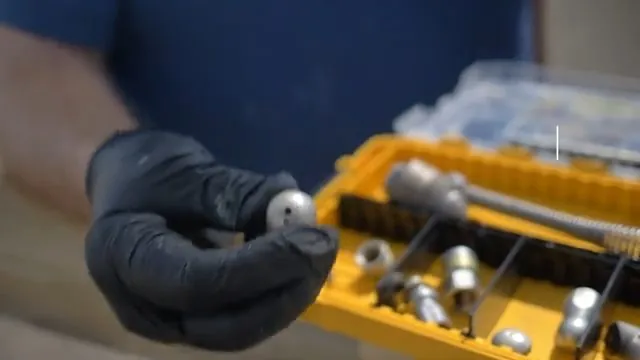
When does a sewer pipe need full replacement?
Sewer line replacement is needed when the pipe can no longer carry waste reliably and a patch or liner would not hold. Sewer line installation of a new run follows the same steps. The plumber confirms the failure with a camera, marks the path with a locator, and chooses between bursting and sewer excavation, where a trench exposes the old pipe. Ask why a lesser repair would not work and how long water will be off or the drains unusable.
The pipe material matters. Old cast iron can flake and corrode from the inside, clay pipe cracks at its joints and lets roots in, and Orangeburg, a tar and fiber pipe, softens and flattens over time. If the camera shows one of these in poor shape, replacement is often the sounder choice than repeated cleaning.
- The pipe has collapsed or is flattened in places.
- A belly or dip holds standing water and waste after the line is cleared.
- Joints are offset, so the pipe no longer lines up.
- Several separate breaks show along a long run of pipe.
- The material is failing along its length, not at a single point.
811 calls and permits before any digging
Anyone digging with tools or equipment, including trenching, boring and drilling, must call Arizona 811 first. Locators then have two full working days to mark buried lines, and the marks stay valid for 15 working days. Confirm the plumber has made that call before any trench or bore starts.
City code amendments exempt clearing stoppages and stopping leaks in drain, waste and vent pipe, but only when the work does not replace or rearrange pipes. Replacing concealed drain pipe with new material is new work that needs a permit through the City online portal. Ask the plumber whether your job crosses that line and who applies.
Sources: Arizona 811 (AZ Corporation Commission); City of Avondale code amendments, 2025. Checked 2026-10-30.
State rules call for a licensed contractor on larger jobs and on any job that needs a municipal permit. Search the Registrar of Contractors site on the day you sign to confirm the license is current, and ask for the plumber's license details before you agree to anything.
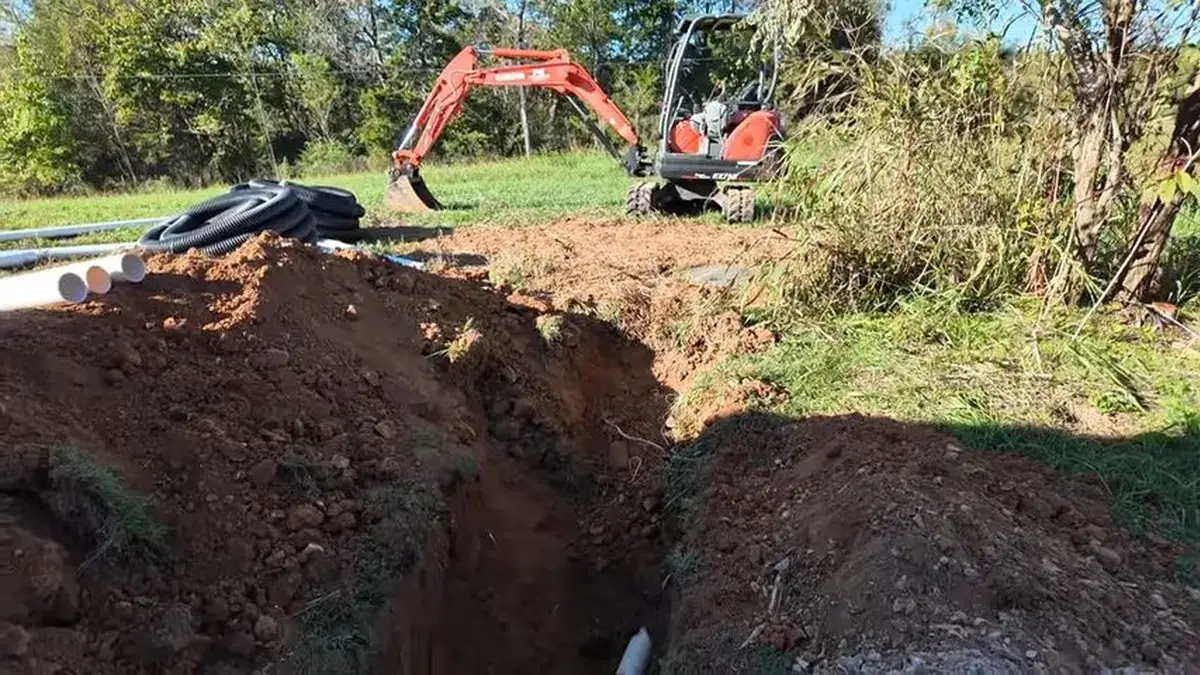
Can a cracked sewer line be fixed with a spot repair?
Often yes. A spot repair, also called a point repair, replaces or sleeves one short damaged section after a camera finds a localized crack, an offset joint or a root entry. It works when the rest of the pipe is sound, such as a single cracked section of PVC. The plumber marks the spot from above with a locator, then opens a small hole or installs a short liner patch.
Sewer line inspection and repair go together for this reason: the footage decides the size of the job. A wet patch in the yard with a sewage smell points to sewer line leak repair, while a wet patch with no smell may be a supply pipe, which leak diagnosis covers. Ask the plumber to show the damaged section on video and to say how far the rest of the pipe was checked. Call when a camera shows a defect but the line still flows.
Smaller points worth knowing
What is the difference between a sewer line and a drain line?
A drain line carries water from one fixture or a group of fixtures to the main. The sewer line is the main pipe that carries everything from the house out to the connection at the street. A clog in a single drain affects one fixture, while a clog in the sewer line affects the lowest drains in the home first. Drains and sewer repair are often done in one visit, but they are separate pipes.
Does industrial or commercial sewer work follow the same steps?
Industrial sewer line repair involves larger pipe, heavier flows and different access, so it is a different job from a home line. This page covers houses and small residential properties. For a business building, start with plumbing for businesses.
Who handles a sewer system problem in a rental?
The owner is responsible for the private line, so a tenant should report it to the landlord or property manager right away. The manager can then request a plumber, a camera run and written findings. Tenants should not open cleanouts or dig.
Avondale sewer inspection: what does the camera show, and should you keep the recording?
A sewer scope is a waterproof camera on a flexible cable, pushed through the line while a screen shows the pipe from inside. It shows cracks, roots, offset joints, low spots that hold water, and the pipe material. Sewer camera inspections before repairs prevent guessing, and they also help when a home inspection report flagged the sewer line and you need to know what the flag means.
Yes, keep the recording. It lets you compare a second opinion, shows a landlord or buyer what was found, and gives you a baseline if the line backs up later. A good camera run also uses a locator to mark the depth and position of any defect on the surface.
Find the access point
The plumber looks for the cleanout. If there is none, the camera goes in through a toilet or a roof vent.
Clear the line if needed
A blocked pipe is cleaned first so the lens can see the pipe wall.
Run the camera and locate defects
The plumber watches the screen and marks the surface above each crack, root mass or low spot.
Review the footage with you
You see each defect and hear which repair method it points to, or whether no repair is needed.
Get the written findings and file
Ask for the video file or a link along with a note of where each problem sits on the line.
Ask for the video itself, not only a verbal summary. A file you can watch twice is your strongest protection against paying for repairs the footage does not support.
Is a failed sewer lateral your problem or the City's?
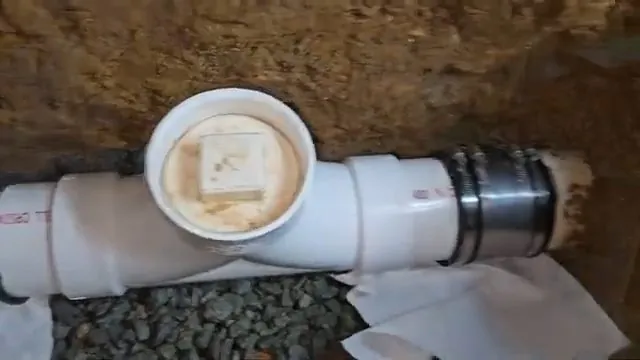
The lateral is the pipe that runs from your house to the main sewer line. Avondale looks after the sewer main under the street, and that responsibility stops at your property line. From there inward, a break belongs to the owner. So sewer lateral repair on your side is your job to hire out, while a street side problem is reported to the City through 311.
If the backup shows up in every drain at once, the camera footage will show whether the problem sits on your side. Bring that footage to the conversation with the City if the defect is at or past the property line.
| Where the problem is | Who is responsible | First step |
|---|---|---|
| Public sewer main beneath the street, ending at your lot boundary | The City of Avondale | Report it through City 311 |
| Lateral on your property | The property owner | Hire a plumber and get camera footage |
| Branch drains and floor drains inside the home | The property owner | A plumber clears and inspects them |
| Northwest acreage served by Liberty Utilities | Read your bill to confirm the utility | Call that utility about street side problems |
Which utility serves you
City Water Services handles most addresses in town, though a pocket of northwest acreage gets water and sewer from Liberty Utilities instead. Your bill names the utility, which tells you who to call about a street side problem.
Sources: City of Avondale 311, line responsibility. Checked 2026-10-30.
For how a sewer job is priced, see the cost page.
Is a sewer scope the same as an inspection by the City?
No. A sewer scope is a camera run through your private line by a plumber, and it shows the condition of the pipe on your property. The City looks after the street lines up to the property line. Use a scope when buying a home, after repeated clogs, or before a repair. If the footage shows a problem at the street, report it to the City through 311.
Why is my master bath smelling like sewage with a slow leak at the P-trap?
A dry or leaking P-trap lets sewer gas rise into the room. Run water in the tub and sink for a minute, since a trap that has dried out refills. If it will not hold water, the trap may be loose or cracked, and a plumber can replace it. If the smell remains, a partial blockage or vent problem is likely, so ask for a camera inspection.
Should I choose cable cleaning or hydro jetting for a clogged main in a managed property?
Pick a cable when a single blockage is likely, such as a wipe or a toy. Pick jetting when the line clogs repeatedly from grease, scale or roots, because it cleans the whole pipe wall. Either way, ask for a camera run afterward. A manager who approves cleaning without footage may be paying again in a few months.
Can I get same-day help for a sewer line problem?
Call [[call]] right away and say sewage is backing up, because urgent calls are routed first. Same day depends on plumber availability, so the answer comes when you call. While you wait, stop running water, keep everyone out of the wet area, and leave the cleanout cap alone.
What should I do right now if sewage is backing up into the house?
First, stop using sinks, showers, dishwashers and washing machines. Second, keep children and pets away from the water. Third, find the water shut-off only if a supply pipe is also leaking. Fourth, call a plumber and mention the backup. Do not pour chemical cleaners into the drains, because they can burn the skin of whoever works on the line next.
Get a plumber to look at the sewer line
Calling (623) 323-3182 reaches dispatch, which sends your call to a plumber who can run a camera and clear the line. Have the location of the backup and any inspection footage ready when you call. For other questions first, see the contact page.
Call (623) 323-3182