
Home>FAQs
Plumbing FAQsAvondale plumbing FAQs, answered in plain words before you call
A wet cabinet, a gurgling drain or a hot water tank that went cold raises questions fast. These answers cover what to do first, who handles what, and when a problem can wait. For anything urgent, call (623) 323-3182 and the dispatch line routes you to a plumber.
People usually phone with the same handful of worries: is this an emergency, what should I tell the dispatcher, and do I need a permit. The answers below are short, grouped by topic and written for homeowners, tenants and landlords.
General plumbing advice applies to any house. Where the City of Avondale or the state sets a rule, the answer says so. Other pages on this site go deeper on each service, and the areas we dispatch to page shows where calls are taken.
What should I know before I pick up the phone?
Most delays on a plumbing call come from missing details, not from the pipes. A few minutes of preparation helps the dispatcher match the job to the right plumber and say what is realistic for your address. These answers cover what to gather, how to judge urgency and what happens at night.
- Your street address, plus the closest intersecting street.
- Which fixtures are affected: one sink, one floor, or the whole house.
- Whether water is still flowing, and where the main shutoff valve is.
- A photo of the leak, stain or fixture label, taken from a safe spot.
If you smell gas, leave the house, avoid switches and phone 911 from outside. Standing water around outlets or a breaker box means keeping away and calling 911 or an electrician. Do not try to relight a pilot or work near wet wiring.
What should I have ready before I call a plumber?
Someone answers the dispatch line at any hour, so you can call the moment something goes wrong, and a prepared caller helps the dispatcher match the job. Have your street address, a single sentence on what you see or hear, and the location of your main shutoff valve. Take a photo of the problem or the fixture label if that is safe. If water is running, close the main first, then dial (623) 323-3182.
It is 10 pm and a pipe under the sink is dripping. Do I have to call tonight?
Not always. Picture a slow drip: close the small stop valve under the sink, set a bucket below, and book a daytime visit. Now picture water spraying or soaking a wall: close the main and call right away. The test is whether you can stop the flow yourself. If you can, the repair can usually wait. If you cannot, or sewage is coming up, call now. A gas smell goes to 911 first.
What happens when I call the dispatch line in the middle of the night?
Calls to the dispatch line are picked up at all hours, including weekends and holidays. The dispatcher asks for your address and the problem, then hands the job to a plumber who works your part of the Avondale area. Same-day arrival is not promised and turns on how busy the plumbers are and where you live, and no arrival time is guaranteed. Keep your phone nearby and the shutoff location in mind so the plumber can start quickly.
Who handles rentals, home sales and jobs outside plumbing?
Plumbing questions look different when the house is rented, being sold or has a problem that is not really about pipes. The three answers below explain who makes the call, what to check, and which jobs belong to another trade.
I rent. Should the tenant or the landlord make the call?
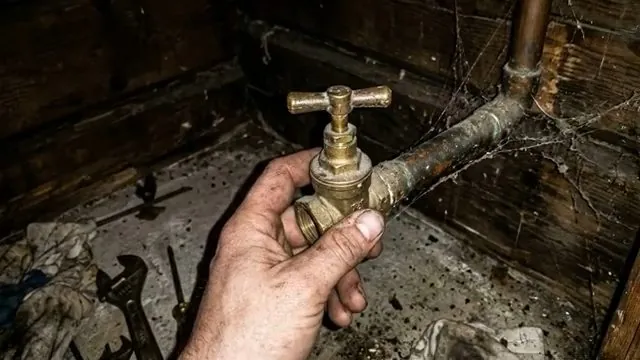
Usually the landlord or property manager authorizes repairs, and the tenant reports the problem and limits the damage. Choose the tenant route when water is flowing and nobody can be reached: close the valve and call. Choose the landlord route for slow drains, dripping faucets or anything that can wait a day, since a fixture repair is easier to approve first. Either way, give the dispatcher the property address and who can open the door.
Which plumbing problems should I look for when buying or selling a house?
Check these in order. 1. Run every faucet and flush every toilet, watching for slow drains. 2. Look under sinks and around the water heater for stains or rust. 3. Test water pressure and how fast hot water arrives. 4. Ask whether the main sewer line has been scanned. One caution: a clean walkthrough does not prove the buried lines are sound, so a camera look at the sewer line is worth requesting.
Can I call about my air conditioner, electrical panel or well pump?
Those jobs belong to other trades, so they are outside what dispatch routes. Plumbing means leaks, drains, sewer lines, water heaters, fixtures and gas piping. Pick a plumber when water, drains or pipes are the problem. Pick an HVAC technician for cooling, an electrician for wiring or a panel, and a well contractor for a well pump. The homepage lists the plumbing work that is routed.
What is behind my walls and under my floors?
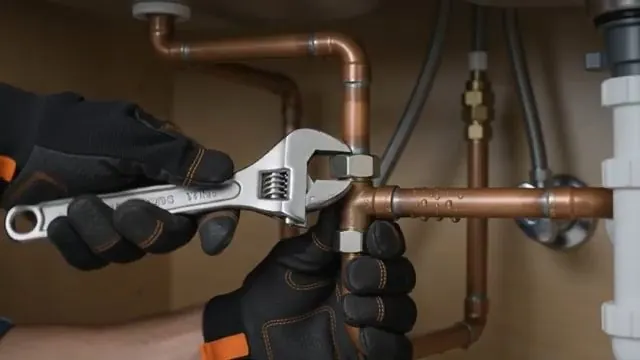
Hidden pipes cause the hardest questions because nobody can see them. These answers explain when a camera is useful, how a foundation changes a repair, and what the age of a house does and does not tell you.
My drain backs up again a week after it was cleared. Is a camera inspection worth it?
Yes. A drain that keeps returning, or a sewer smell that comes back, is the sign a camera is worth doing. Repeat clogs usually point to roots, a cracked or sagging section, or buildup the first pass missed, and only a camera shows which. Skip it for a one time clog in a single sink. Ask to see the footage and how far along the line the problem sits, then compare it with plain drain cleaning.
How does a slab, crawlspace or basement change a leak repair?
Work through these. 1. A slab hides pipes under the floor, so leaks show up as warm spots, a moving meter or damp flooring. 2. A crawlspace gives access from below, which can mean less demolition. 3. A basement shows the pipes but can flood. 4. Ask the plumber which applies to your house. One caution: a hidden leak should be located first, as with slab leak detection, before any floor is opened.
A plumber said my house is old and the pipes may be a problem. What does age really tell me?
Age is a clue, not a verdict. Picture a plumber finding green corrosion on a supply line in a house built decades ago. Older homes may have galvanized steel, copper, polybutylene or cast iron, depending on the era, and each fails differently. Look up the build year in your county records, then ask the plumber to name the material before recommending anything. Whether to repipe the house depends on pipe condition, not the year alone.
What about permits, licensing and routine upkeep?
Rules and habits decide how smoothly a plumbing job goes. The answers here cover who checks the work, the open question on water heater swaps, the mistakes plumbers see most, and a simple seasonal check. For money questions, see how pricing works.
Who checks that plumbing work meets code?
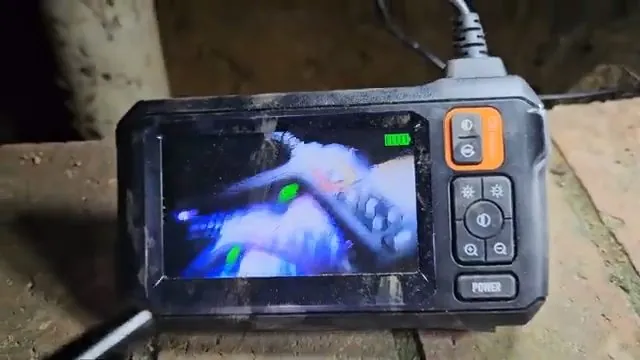
In Avondale, the City's Development Services office handles permits through its online portal. Do now: ask the plumber whether a permit is involved and who files it, and check the license on the Arizona Registrar of Contractors search the day you sign. It can wait: under the City's amendments, repairs that only stop a leak, with no replacing or moving of pipes, valves or fixtures, are exempt. Replacing concealed drain pipe is new work and needs a permit.
Does swapping a water heater need a permit in Avondale?
That is not confirmed from a City source. The City's amendments to the 2024 building codes, as read, do not say whether a water heater swap needs a permit, so do not assume either way. Before work starts, ask the City's Development Services office, then tell the plumber what you were told. For the job itself, see water heater installation, and ask who handles any permit.
What are the most common plumbing maintenance mistakes?
Ignoring small problems is the biggest one, because a drip, a slow drain or a running toilet only gets worse. Others include pouring grease down the drain, flushing wipes, using harsh drain chemicals on old pipes, never learning where the main shutoff is, and skipping water heater upkeep. Find the shutoff valve this week and fix drips early, before they turn into a water heater repair or a wet floor.
What should I check around the house before summer?
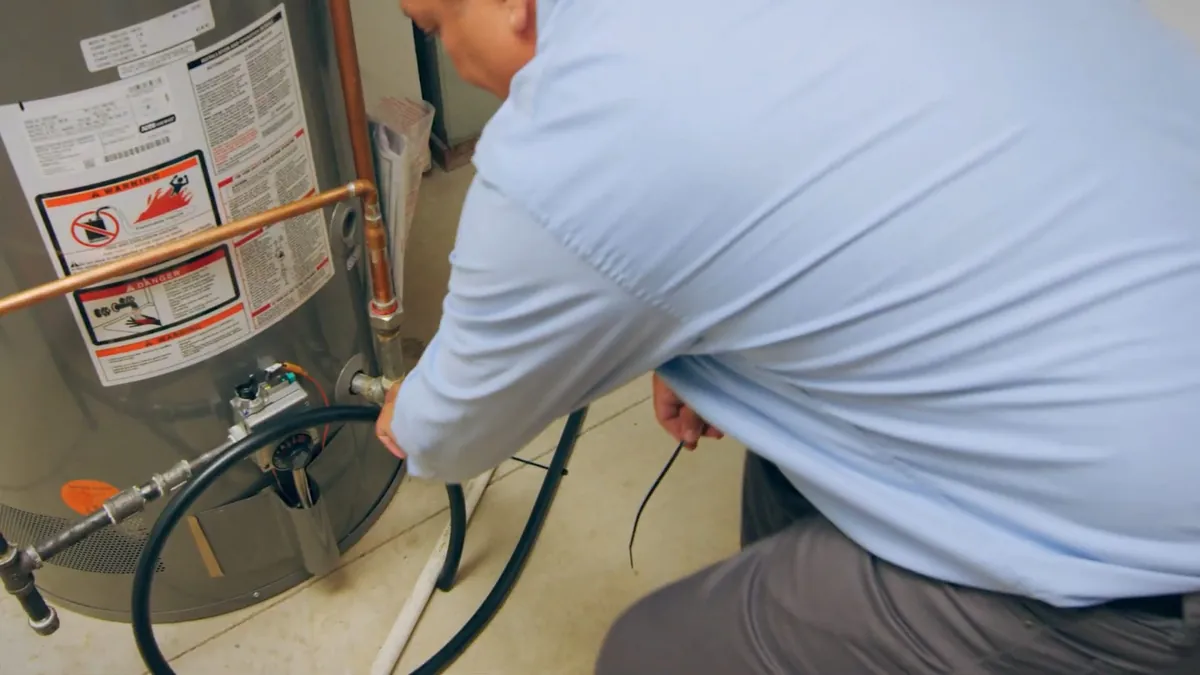
Do a one hour walk through. Run every faucet and look under sinks for damp, turn each shutoff valve gently to see that it moves, check hose bibs and irrigation connections for drips, and flush the water heater only if its manual says to. Doing this once a season catches slow leaks before they stain cabinets or flooring, and a stuck valve is far easier to replace on a calm day than during a leak emergency.
Have a plumbing question that cannot wait?
Describe the problem in a sentence, give your address, then call (623) 323-3182. The dispatcher will match you with a plumber serving Avondale and tell you what to expect.
Call (623) 323-3182