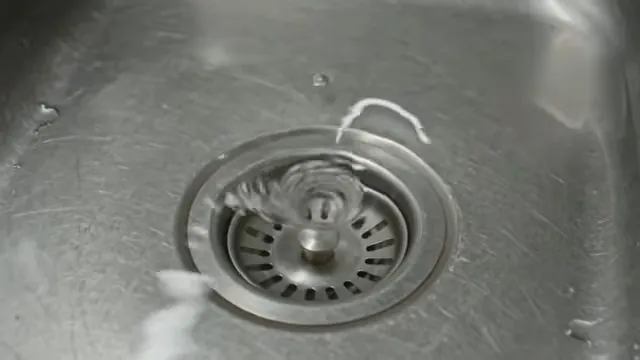
Home>Services>Drain Cleaning & Clogs
Drain cleaning and clogsSlow or Backed-Up Drains? Drain Cleaning in Avondale
A sink that drains slowly looks like a small problem, until the tub gurgles and the toilet bubbles every time the washer runs. Drain cleaning removes the blockage so water leaves the house the way it should. Call (623) 323-3182 and our dispatch line routes you to a plumber serving Avondale, who can cable the line, jet it or send a camera down it, depending on what the blockage turns out to be.
now
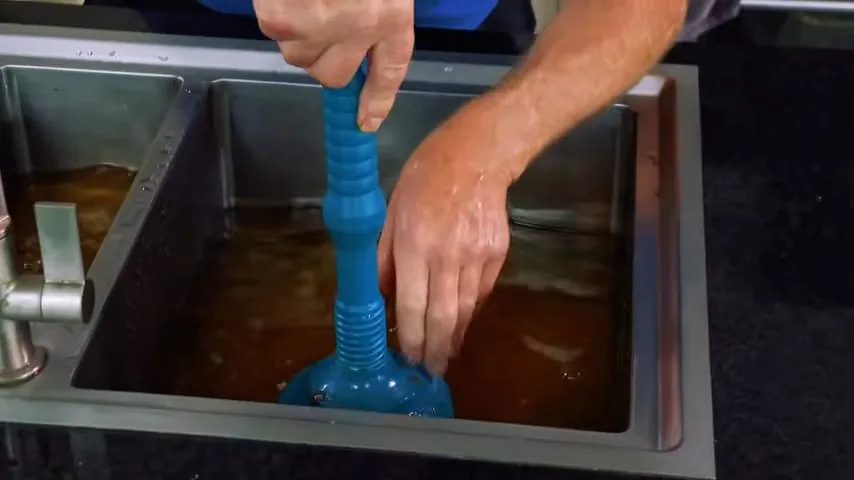
Most people believe a slow drain is a minor problem that a bottle of liquid opener will fix. Often it makes things harder. The blockage is usually a packed mass of grease, hair, paper or roots, and the chemical just sits in standing water above it. A plumber then has to open that line with the liquid still in it.
A better first question is where the water stops. One slow fixture points to a short branch. Several fixtures that misbehave together point to the main line. The sections below match each pattern to the tool a plumber would use and say when a clog is really a damaged pipe.
Is it one fixture or the whole house?
Start by noting which drains are affected and what happens when you use another one. The table below matches common patterns to the likely cause. It cannot name your exact blockage, only show the plumber where to look first.
| What you see | Likely meaning | Where a plumber starts |
|---|---|---|
| One sink is slow, every other drain is fine | A blockage in that fixture's trap or short branch | The trap, then a cable through the branch |
| The tub gurgles when the toilet flushes | A shared branch or the main line is partly blocked | The nearest cleanout, then the main line |
| Toilets and tubs back up together | The main line is blocked below every branch | The main line cleanout |
| Water rises in a floor drain or low shower | The lowest opening overflows first | The main line, often with a camera |
| A slow drain returns within weeks | Grease, scale or roots remain on the pipe walls, or the pipe is damaged | Jetting or a camera look |
Toilet. A single toilet that will not flush after a few minutes with a flat-flange plunger usually has a blockage in its own trap. Stop flushing, because every flush pushes more water toward the rim. If a second toilet is also sluggish, treat it as a line problem, not a fixture problem, and say so when you call.
Kitchen sink. Grease and food residue settle in the trap and in the horizontal run behind the wall. If the disposal hums but water stays in the basin, the stoppage is past the disposal. A jammed or worn unit is a separate job, handled under garbage disposal.
Tub and shower. Hair and soap scum build up just below the strainer, so a plumber often pulls the hair out first and cables the line only if water still stands. A tub that is slow while the bathroom sink runs clear has a problem on its own branch.
Floor and basement drains. A floor drain that bubbles or rises is often the lowest opening for a blocked main, so the plumber clears the line before touching the drain body. A basement drain repair call begins by finding the blockage, not by replacing the grate.
Is a branch drain or the main line failing?
Your main line collects every branch and carries the flow toward the sewer. When it blocks, the lowest drain in the house takes the overflow first. A main line backup looks like toilets gurgling, a tub filling while the washing machine drains, or a floor drain that rises. Stop using water, including the dishwasher and washer, until the plumber has cleared it.
Roots are a common reason a main blocks again and again. Fine roots enter at joints, catch paper and wipes, and grow into a mat that a cable can cut but not remove from the soil. Someone who needs a 24 hour drain cleaning service usually has a backup in progress, so tell the dispatcher exactly which drains are rising and whether sewage is inside.
Where the blockage sits also decides who fixes it. The City of Avondale maintains water and sewer lines in the street up to the property line, and the owner is responsible once the pipe is on the property. If neighbors on your street are backing up too, report it to the City through 311. Otherwise call a plumber. If a camera shows a broken or sagging main, the job moves to sewer line service.
Tree roots are a common cause of repeat blockages where a line runs near a tree, and a video camera inspection shows whether roots, a crack or grease is the cause. A bathtub or shower drain that backs up usually shares a branch with the other bathroom fixtures, so test the sink and toilet in the same bathroom before you decide which drain is the problem.
During a backup, mention it on the call and ask whether a same-day visit is possible; that turns on demand and on your address.
Gurgling and slow drains do not prove where a blockage is or what it is made of. Only a cable, a jet or a camera shows that. If sewage is coming up indoors, keep children and pets out of the room and stop using water. If you smell gas at any point, leave the house and call 911 and the gas utility. Do not try to open a main line cleanout yourself.
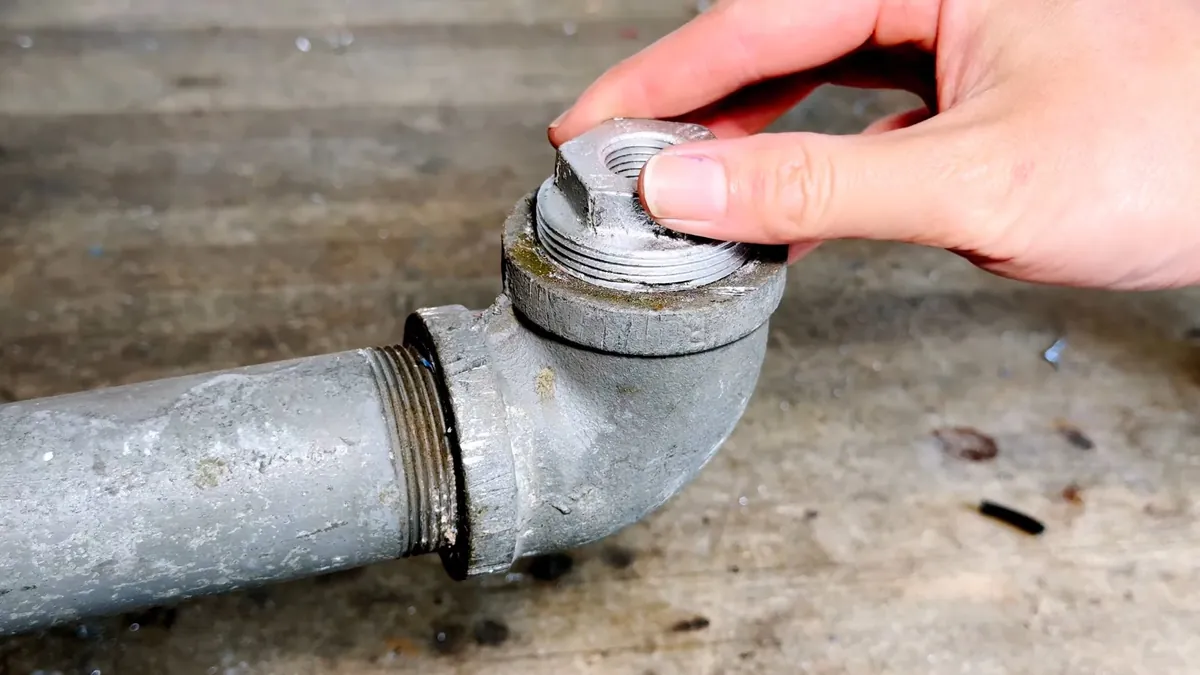
Gurgling, slow or smelling: what does drain cleaning remove?
Residential drain cleaning removes the material that narrows the pipe: grease, hair, paper, soap scum and, in older lines, scale. The aim is a pipe that stays open, so a plumber who clears a clog and sees heavy buildup should say so and talk about jetting rather than send you home with a line that closes again in a month.
Persistent drain odors despite cleaning usually mean something other than the blockage. A dry trap under a rarely used fixture, a vent problem or a broken section of pipe can all smell the same. If the odor stays after the line runs clear, ask the plumber to check those three before you try another product.
Restaurants and shops have different loads. Commercial drain cleaning deals with grease traps and kitchen lines, and kitchen exhaust drain cleaning is a separate hood and duct task. State clearly what kind of building you have when you call so the right plumber takes it.
What not to pour or flush
- Cooking grease and oil, which cools and coats the pipe wall
- Coffee grounds and eggshells, which pack into the trap
- Wipes sold as flushable, which do not break down like paper
- Paper towels, cotton swabs and dental floss
- Hair gathered in clumps from the shower strainer
- Liquid openers, which leave a hazard in the pipe for whoever opens it next
More on what a visit includes
Can a plumber also check for a leak while cleaning?
Drain cleaning and leak detection are different tasks, but a camera run through the line can show a crack or an offset joint where water escapes. A suspected leak in a supply pipe is covered under the leak detection page.
Is a camera part of every visit?
No. A short stoppage near a fixture often needs only a cable. A camera is worth asking for when a drain keeps returning, when you suspect roots or a broken pipe, or when you are buying or renting out a house.
What about storm and yard drains?
Storm drain cleaning and yard drains carry rainwater, not household waste, and they clog with silt, leaves and trash. Tell the plumber which kind of drain it is, since the tools and the goal differ from an indoor line.
Slow sink and a gurgle: will a cable clear it?
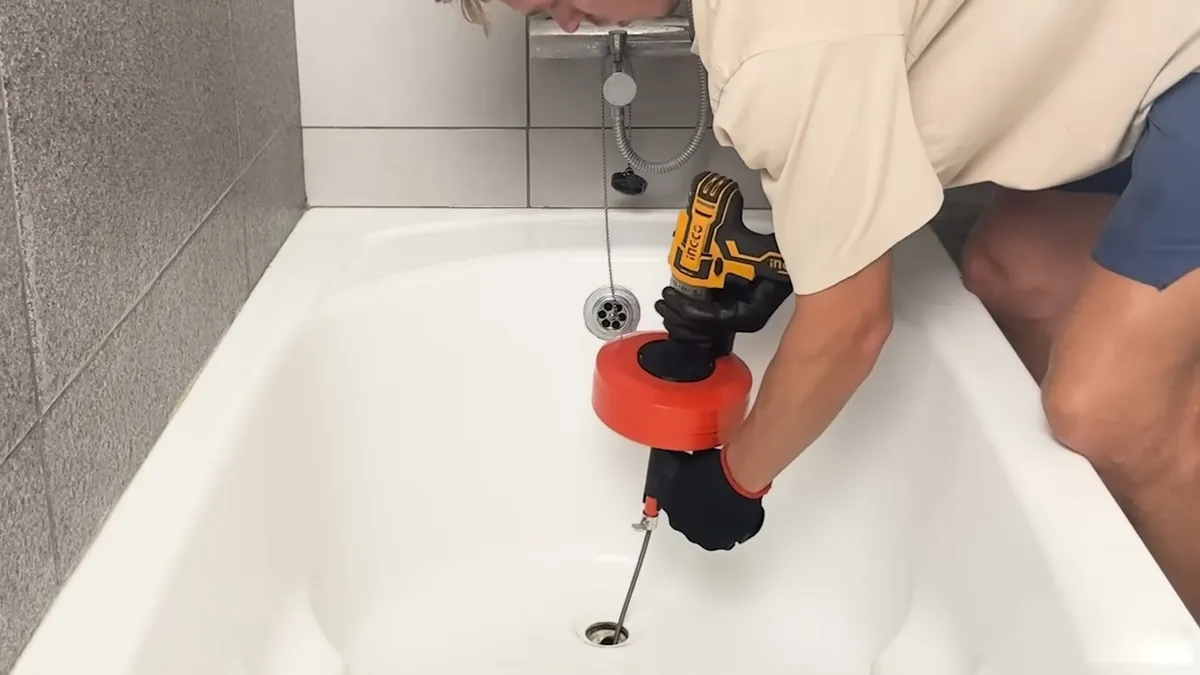
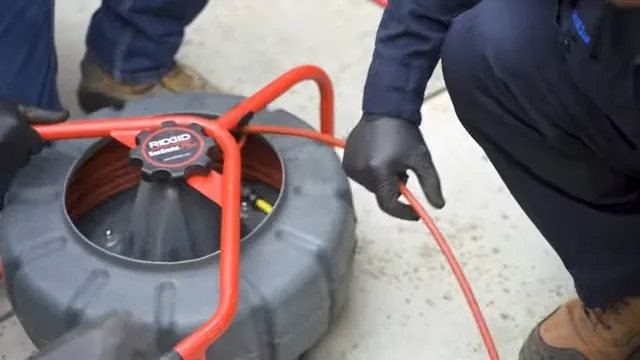
A cable machine, also called a snake, auger or rooter, feeds a spinning steel cable into the drain until it reaches the blockage. The tip breaks up soft stoppages such as hair, paper and grease, or hooks them so they can be pulled back out. Rooter service uses heavier cutting heads when roots are the problem.
A cable is the usual first choice for one clogged drain, because it is quick and works through a fixture or a cleanout. Its limit is that it opens a channel through the blockage without scrubbing the pipe walls. If the same drain slows again, ask the plumber whether grease is still coating the pipe. Clogged drain repair that holds often means following the cable with jetting.
Describe the pattern
Tell the dispatcher which fixtures are slow, whether any gurgle, and what you already tried.
Access the line
The plumber pulls the trap or opens the nearest cleanout so the cable runs straight to the blockage.
Cut or hook the blockage
The plumber feeds the cable in until it meets resistance, then works through it and pulls the debris out.
Test the flow
Water is run through the fixtures, and the plumber says whether the pipe looks clear or whether a camera or jetting is the next step.
Clear the pipe walls with hydro jetting
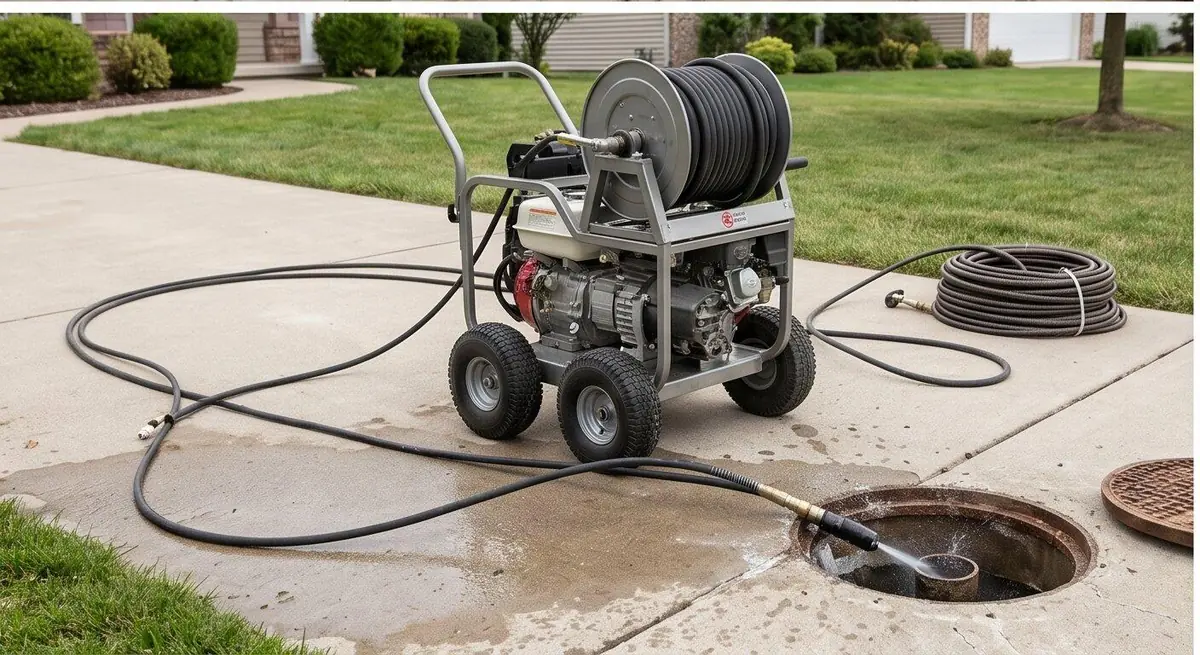
Hydro jetting sends high-pressure water through a hose with a nozzle that points backward and forward. The spray scours grease, scale and silt off the pipe wall instead of poking a hole through it. Hydrojet drain cleaning suits kitchen lines coated in grease, drains that keep clogging, and lines where a cable keeps coming back dirty.
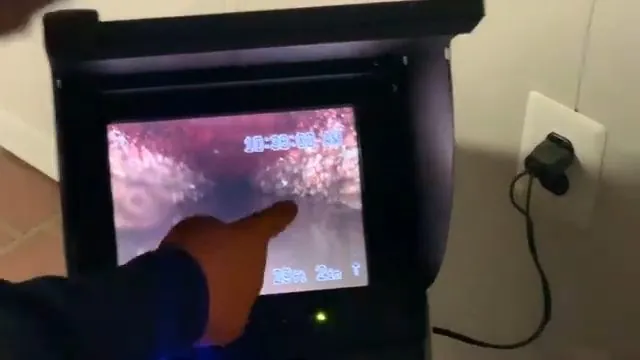
Jetting is not right for every pipe. A cracked, collapsed or badly corroded line can break further under pressure, so a plumber will often send a camera through first. Ask what the camera showed, what pressure the plumber plans to use and whether the line has an access point for the hose. Drain cleaning and camera inspection together give you a record of the pipe, and you can ask for it.
Cable or jet? A cable clears a blockage at one spot. Hydro jetting cleans the whole pipe wall. If you have a one-off stoppage, ask about a cable. If a drain slows again and again, ask about jetting.
Is the drain pipe cracked or just blocked?
Some clogs are a symptom of a pipe that has failed. A drain that clears and then blocks again in the same spot, a dip in the line where water pools, or soil and gravel on the cable can mean a break, an offset joint or a collapsed section. Cast iron drain repair is common in older homes, where the pipe rusts from the inside and flakes pile up until they catch paper.
A plumber confirms this with a camera and then offers a choice: spot repair, a longer section replaced, or a lining or relining method where the pipe allows it. Ask which option fits your pipe, how far the damage runs and what happens if you wait. Drain repair and drain leak detection are one call here, since the camera answers both questions.
Yard problems are different again. Water pooling near the foundation or a soggy lawn after irrigation points to drainage work, such as French drain installation or a regraded slope, rather than a clogged pipe. Describe the pooling and where the roof water goes, and ask whether a drainage plumber or a landscaper should take the job.
When a repair becomes permitted work
Avondale does not require a permit to clear a stoppage or to patch a leak in drain, waste or vent piping, provided nothing is swapped out or moved around. Putting in new material to replace a hidden trap or drain line counts as new work and requires a permit, filed online with the City's Development Services office.
So ask the plumber whether your repair crosses from clearing into replacement, and who will apply for the permit if it does.
Sources: Avondale building code amendments PDF. Checked 2026-10-30.
Arizona also requires a licensed contractor for work above a set dollar threshold or work that needs a municipal permit. Look the contractor up on the Registrar of Contractors website before you approve any work, and request the license details for your assigned plumber from the dispatcher. The fixture repair and replacement page covers the work above the drain, such as faucets and traps.
For what shapes the final bill on a clog or a pipe repair, see the drain and plumbing cost guide.
Is the water under my kitchen sink a leak or a clog?
Water on the cabinet floor that appears only when you run the sink usually means a loose slip nut or a cracked trap, not a clog. A clog backs water up into the basin and may overflow the top. If the basin drains slowly and the cabinet is also wet, both can be true. Dry the area, run water once, and tell the plumber what you saw.
Why does my kitchen sink drain keep slowing down?
Grease is the usual reason. Warm grease runs down the drain, cools in the trap and the pipe behind the wall, and traps food bits until the pipe narrows. A cable can open it, but jetting removes the coating that causes repeat clogs. Hot water alone rarely reaches the full length of the line, and a jammed disposal can mimic the same slow flow.
What can I try on a slow bathroom sink before calling?
Clearing a stoppage in a sink drain is minor work that city code does not treat as a permit job, so a plumber can do it quickly. Before you call, remove the stopper and pull out visible hair, then run hot tap water. Skip liquid openers. If other drains also gurgle or the sink is still slow, call, because the problem is probably past the trap.
Should I ask for hydro jetting or snaking?
Ask the plumber to choose after looking at the symptoms. A quick rule: 1) One drain, first time, soft clog: cable. 2) Same drain slows repeatedly or the cable returns greasy: jetting. 3) Roots or unknown cause: camera first, then cable or jet. One caution is that jetting a cracked or fragile pipe can worsen it, which is why a camera look matters before high pressure.
Why does my drain smell even after it was cleaned?
A smell that stays after the blockage is gone usually comes from somewhere else. Picture a guest bathroom that is used twice a year: the trap dries out, sewer air rises, and the room smells although the pipe is clear. Running water for a minute refills the trap. If the smell remains, ask the plumber to check the vent and look for a cracked pipe.
Ready to get a drain running again?
Describe which drains are slow and whether anything is backing up, and the dispatch line will match you with an Avondale plumber. Call (623) 323-3182 or use the contact details.
Call (623) 323-3182