Home>Cost
Avondale plumbing cost factorsWhat decides your Avondale plumbing bill, job by job and in plain words
You want to know what a plumbing job will run before you call. This page names what pushes a bill up or down for each service, so you can ask the plumber sharp questions. Call (623) 323-3182 and describe the problem to start.
You will not find a single dollar figure, range or percentage on this page. That is deliberate. A figure written before anyone has seen your pipes would be a guess, and a guess can send you into a conversation with the wrong expectation. Any number you act on should come from the plumber, after they have looked at the job.
This site is a dispatch and referral line, not a plumbing company. The plumbers it routes calls to are independent, and each one sets their own prices. Dispatch cannot quote you, and nothing here promises what a visit will come to. What the page can do is explain what the plumber is weighing when they build a total.
The sections below group services into families. Each one starts with the factor that usually matters most for that job, then covers the rest. Read the family that matches your problem, then jump to the comparison checklist near the end before you agree to any work.
Leaks and supply pipes: what makes one job bigger than another?
For a general leak, the biggest swing is whether the plumber can reach the pipe without opening a wall or the ground. A drip under a sink is a short visit. A leak inside a wall means cutting drywall, and one under a yard means digging. Ask which method will be used and who closes the opening afterward. Property size matters too, because a larger home with several suspect lines takes longer to test. See leak detection and repair for the usual steps.
Slab leaks start with the detection equipment. Acoustic gear listens for the sound of water, thermal gear reads heat from a hot line, and tracer gas follows escaping gas to the spot. Ask which one the plumber plans to use and why. Time to isolate the leak comes next: a bigger foundation, more floors and more lines all lengthen the search. The slab leak page explains what finding one involves.
Once the leak is found, the plumber chooses between breaking out the slab at that spot or rerouting the line overhead through walls or the attic. Breakout is local but leaves a hole to patch. Rerouting avoids the slab but touches more of the house. Restoration is the last piece: flooring, drywall and paint after the repair are often a separate scope, so ask whether the quote covers them or stops at the pipe.
Water line work turns on ownership before anything else. Street-side water problems up to the property line are reported to the City through 311, while the homeowner pays for problems on their side. The City pages reviewed do not state where that boundary sits, so ask the plumber where the line changes hands. Arizona 811 must be called before digging, and locators need two full working days, which affects scheduling. Details are on the meter-to-house water line work page.
Length and depth of the service line drive the effort, along with the material replacing it. Then comes the method: trenchless work limits the damage to landscape and driveway, while an open trench exposes the whole run and leaves surface restoration to settle. Ask what is included for grass, pavers or concrete once the pipe is in. Whole-house supply replacement is a different job; repiping a house is covered next.
For repiping, the pipe material choice comes first, along with the wall repair afterward. Ask what material is proposed and who patches and paints. House size, number of bathrooms and number of stories set the amount of pipe, while access decides the labor: a crawlspace or attic is easier to work in than a slab. If water has already soaked the structure, extraction, drying and mold testing scope depends on the amount of water and the materials involved.
| Service | What moves the cost | What to ask |
|---|---|---|
| Leak detection and repair | Whether the leak is reachable without opening walls or ground; property size | Which method, and who repairs the opening? |
| Slab leak | Detection equipment, time to isolate, breakout versus overhead reroute, restoration | Is restoration in the scope? |
| Water line | Who owns the section, length and depth, trenchless versus trench, surface repair | Does the plan include 811 and any utility permit? |
| Repiping | Pipe material, house size, access, wall repair | Who patches the walls? |
Arizona 811 must be called before any digging. Locators need two full working days, so a water line job cannot start the hour you decide. Ask the plumber who places the call.
Drains and sewer: why do two clogs end up with different totals?
For a drain clog, the length of the run being cleared leads. A short branch line near the fixture is quick. A long run toward the main line takes more cable and more time. Where the blockage sits matters too: a clean cleanout makes the job easier, and a branch line is simpler than a main line. See drain cleaning for how the methods differ.
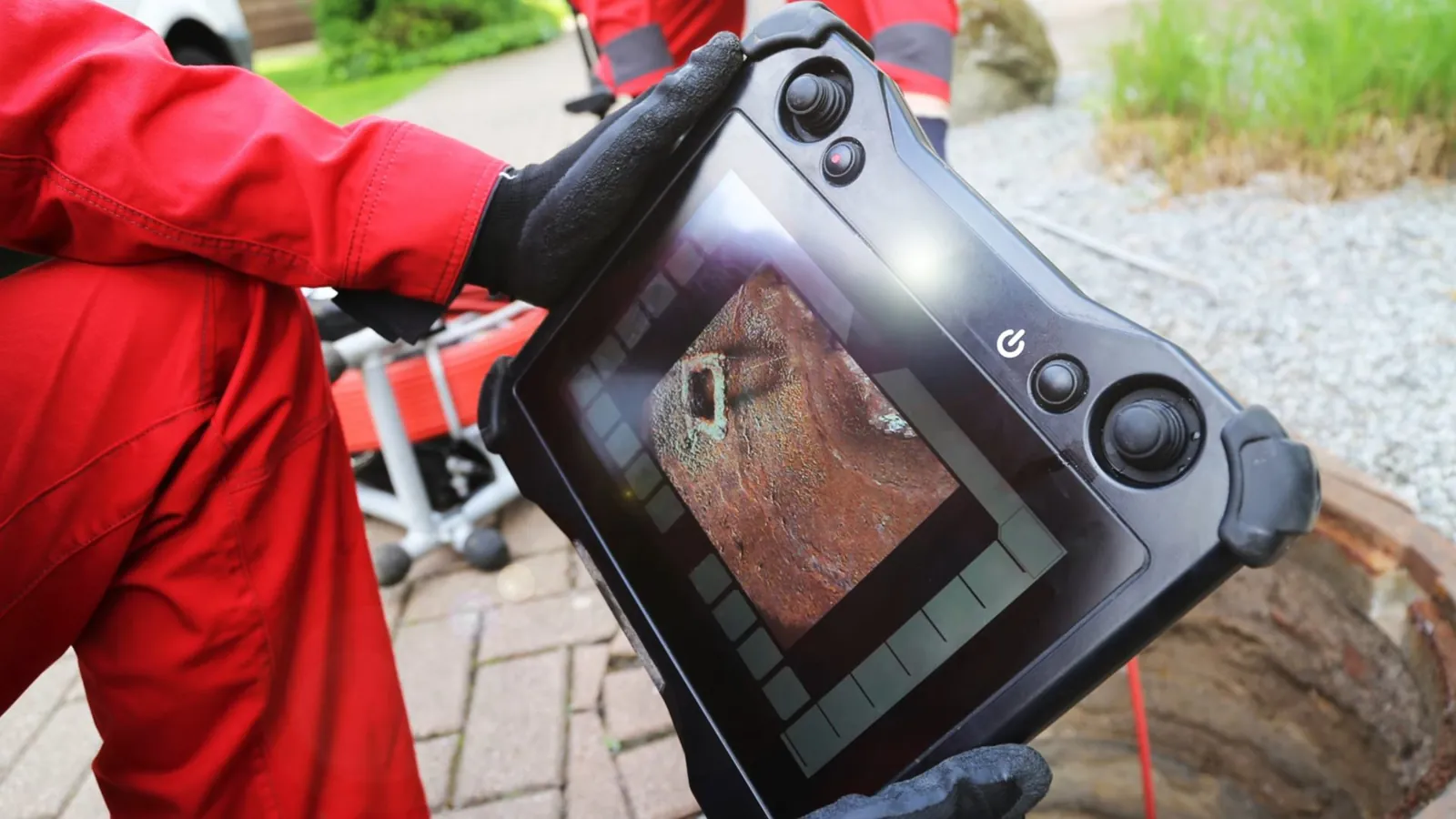
Two questions change the work. First, will the plumber run a camera to confirm the cause? A look adds time but shows whether you have a clog or a damaged pipe. Second, what is blocking the line? Roots call for a cutting head, grease or scale call for a different one, and the tool shapes the visit. Ask what was found and ask to see the footage if a camera was used.
Sewer repair starts with the condition of the existing pipe. Cracks can often be addressed in place, while a collapse points to replacement. Length and diameter of the line set how much material and effort the work needs. If the plumber lines the pipe instead of digging, side branches must be reconnected afterward, and that step adds work of its own. Ask which approach is proposed and why. The sewer line repair page goes into repair versus replacement.
Permits can add a line to the job here. Avondale's City amendments exempt stopping leaks and clearing stoppages when no pipes, valves or fixtures are replaced. Swapping out concealed drain pipe is new work, which brings the permit step in. Permit applications go through the City's online portal via Development Services. As with water lines, street-side sewer problems up to the property line go to the City through 311, and digging brings in 811.
| Service | What moves the cost | What to ask |
|---|---|---|
| Drain cleaning | Length of run, cleanout access, branch or main line, camera, roots versus grease | Will you run a camera, and what head will you use? |
| Sewer repair or replacement | Pipe condition, length and diameter, reconnecting branches after lining | Repair, line or replace, and why? |
Water heaters: repair, replace or change the type?
For a new tank, size and fuel type lead: gas, power vent or electric. A bigger tank costs more to buy and may need different venting or a stronger connection. Code items follow, such as an expansion tank, venting corrections and permits. A water heater permit is not confirmed from a City source, so ask whether one is needed and who pulls it. Details are on the water heater installation page.
For a repair, the age of the unit decides more than the part. A sound tank with a failed element or control is worth fixing. An older unit raises the question of where repair stops making sense and replacement begins. Ask the plumber for their view in plain terms. The second variable is which part failed and whether it is stocked, since a part that must be ordered can mean a second visit. See water heater repair.
Tankless units start with the electrical capacity and panel space for the new unit, since some need more than the house has to spare. Gas supply line size and meter capacity follow, because a tankless heater draws gas quickly and a small line may need to be replaced. Then the venting route and condensate drain: the longer the route, the more work. The tankless water heater page covers the tradeoffs.
| Service | What moves the cost | What to ask |
|---|---|---|
| Installation or replacement | Tank size, fuel type, expansion tank, permits, venting corrections | Is a permit needed, and who pulls it? |
| Repair | Age of the unit, which part failed, whether it is stocked | Is repair or replacement the sounder choice? |
| Tankless | Electrical capacity, gas line and meter, venting and condensate drain | Does the house need an upgrade to support it? |
Fixtures, gas, softening and disposals: what shifts the total?
A faucet or toilet repair depends on whether parts will do or the whole fixture should go. A worn cartridge or flapper is a parts job. A cracked bowl or a pitted finish tips toward replacement. The condition of the shutoff valve and supply line also matters, because an old valve that will not close can add work. Ask the plumber to check them in the same visit. See faucet and toilet repair.
Gas work is shaped by inspection and testing. A pressure test and any inspection requirements are part of the job, not extras. Run length, pipe material and the number of appliance connections set the rest. If you smell gas, do not treat it as a pricing question: get everyone outside and report it to 911 or the utility. A plumber can quote once the line is safe. See gas line installation.
For softening and filtration, the system type and capacity come first. A softener, a whole-house filter and reverse osmosis each do different work, and bigger capacity costs more. Hard water is a local condition, and it is the reason these systems are asked about. The install location matters, because the unit needs a drain and electrical hookup nearby. Ask what the plumber will connect and what stays on your side. The water softener page covers this.
With a garbage disposal, the motor size and build of the unit lead. A heavier motor handles tougher scraps and costs more. Then the work under the sink: changing the outlet, the switch or the discharge pipe adds time. Ask whether the old mounting fits the new unit. See garbage disposal replacement.
| Service | What moves the cost | What to ask |
|---|---|---|
| Faucet, toilet and fixtures | Parts versus whole replacement, shutoff valve and supply line condition | Should the valves be replaced too? |
| Gas lines | Pressure test and inspection, run length, pipe material, connections | What testing is included? |
| Softener and filtration | System type and capacity, hard water, drain and electrical hookup | Where will it be installed? |
| Garbage disposal | Motor size and build, outlet, switch and discharge changes | Does the old mounting fit? |
Step outside at the first whiff of gas. Then reach the emergency line or the utility's leak line, and leave switches and appliances untouched rather than waiting on a plumber.
After hours and business calls: what does the late visit change?
An after-hours visit adds compared with a scheduled one, in both time and scope. The plumber is called out of a normal day, may need to reach supply houses that are closed, and often arrives with only what is on the truck. Ask what the visit adds before they start, and ask the plumber to put it in writing. The dispatch line described on the homepage routes these calls.
The other question at night is whether the plumber does a temporary stop-gap or a full repair at the same visit. A stop-gap, such as capping a line or shutting off a fixture, stops the damage and is meant to be followed up. A full repair finishes the job but may need parts and time that are not available at that hour. Ask which one is proposed, what it covers and what happens next.
Commercial plumbing is driven by scope, building size and after-hours access. A larger building has more fixtures, longer runs and more to test. Many businesses need work done when staff have left, so access arrangements shape the schedule. Have a contact ready who can open the building. The commercial plumbing page covers the access and scope details to prepare.
How to compare what you are told
Two plumbers can describe the same problem and propose different work. The way to compare them is to line up scope, not just totals. Ask each plumber the same questions, write down the answers, and look for what one includes that the other leaves out.
Arizona's Registrar of Contractors requires a license once a project passes its stated dollar threshold, or whenever a municipal permit is involved. Look the plumber up on the ROC contractor search before signing. If you have more questions first, the plumbing questions page answers common ones, and the service areas page shows where dispatch works.
- Ask for the scope and the total in writing before work starts.
- Ask whether a permit is needed and who pulls it.
- Ask whether parts and cleanup are included.
- Ask how long the work is expected to take.
- Check the plumber's license on the ROC contractor search.
It cannot say what your own job will come to. Only a plumber who has seen the pipes can do that, and every plumber sets their own prices.
Why does this page not list any numbers?
Any figure written before a plumber sees the job would be a guess. Pipe condition, access, materials and local rules all change the total, and none can be judged from a page. The honest answer is a number from the plumber after a look at your home. Ask for the scope and the total in writing before work starts.
Who sets the price of the work?
The plumber does. This site is a dispatch and referral service, and the plumbers it routes calls to are independent businesses that set their own prices. Dispatch cannot quote a job or promise a total. If two plumbers give different answers, compare what each includes, then ask each how they reached the scope.
Does a permit change what a job costs?
It can add a line to the job. In Avondale, stopping leaks and clearing stoppages are exempt when no pipes, valves or fixtures are replaced, while replacing concealed drain pipe is new work that needs a permit. Ask whether a permit is needed and who pulls it, and get the answer in writing with the scope.
Is an after-hours visit different from a daytime one?
Yes, in time and scope. A late visit may involve a call out, limited parts on the truck and a choice between a stop-gap and a full repair. Ask the plumber to explain what the visit adds before work begins, and ask what follow-up is needed if only a temporary fix is possible that night.
Ready to describe your plumbing problem?
Describe the problem briefly, then dial (623) 323-3182 and give your Avondale address. Dispatch will route you to a plumber, who can give you a total in writing once they have seen the job.
Call (623) 323-3182